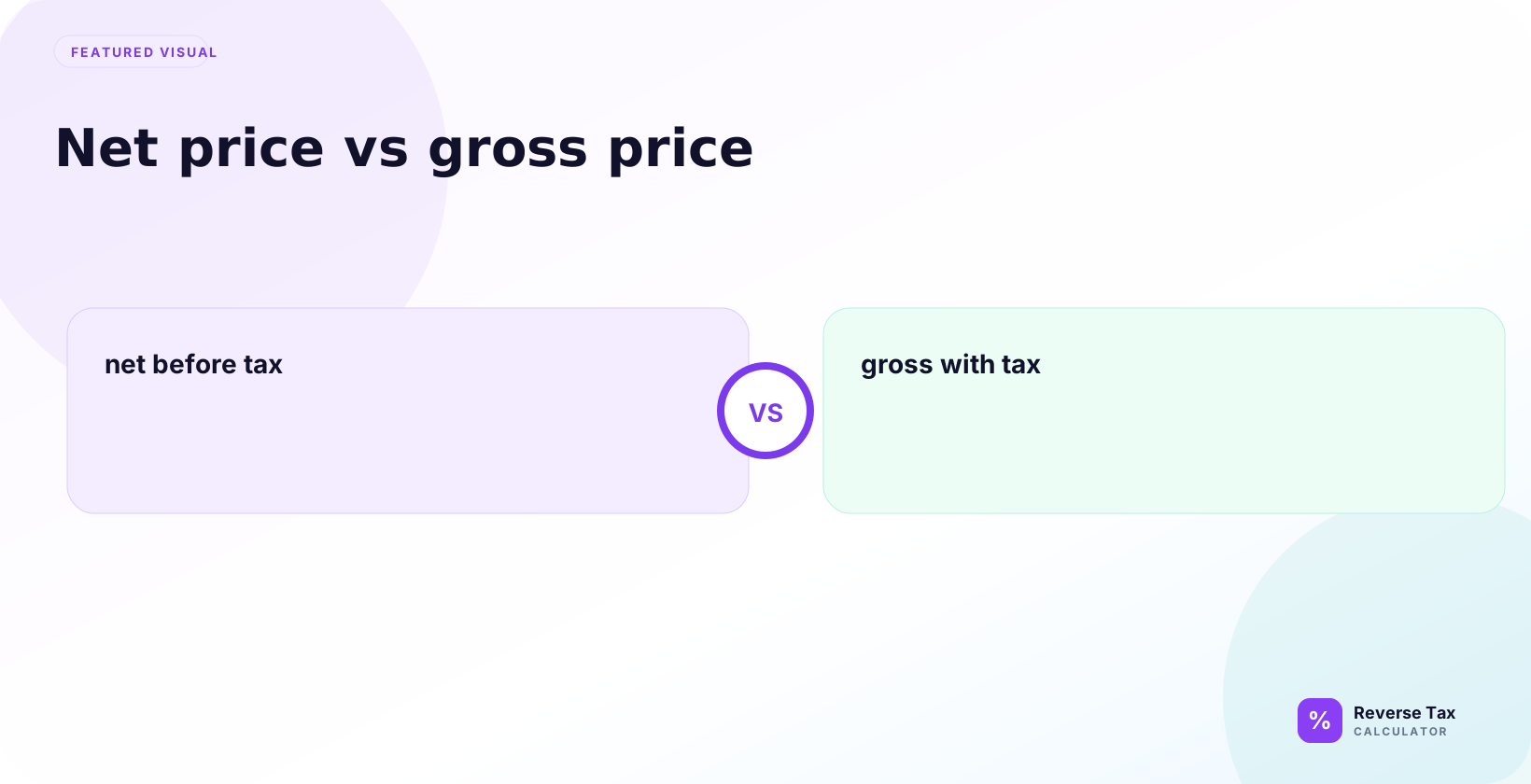
Net price is the amount before tax, while gross price is the final amount after tax is included. Reverse tax converts a gross tax-inclusive price back into a net price by dividing the gross amount by 1 plus the tax rate as a decimal. The distinction controls whether tax is added forward or removed backward; discounts, shipping, tips, exemptions, and mixed rates change which amount is the taxable base.
The tricky part is context. Net and gross can mean different things in retail, invoicing, accounting, payroll, and tax. That is why you should always ask what is being included or excluded.
What Is the Difference Between Net Price and Gross Price?
The difference is what the price includes.
Gross price is the broader amount. Net price is the amount after something has been removed, excluded, or separated.
In a tax context, the thing being separated is usually tax.
| Term | Common tax meaning | Reverse tax role |
|---|---|---|
| Gross price | Price including tax | Starting total |
| Net price | Price excluding tax | Result after tax is removed |
| Included tax | Difference between gross and net | Tax amount found by reverse tax |
What Is Net Price?
Net price is the amount after a defined adjustment has been removed, but the adjustment depends on context. In reverse tax content, net price usually means the price before tax. On invoices, it can mean amount before VAT, GST, or sales tax. In other contexts, net can mean after discounts, returns, fees, or payroll deductions, so the label needs context.
Net price is the price after tax or another included amount has been separated.
In reverse tax content, net price usually means the amount before tax. If a gross total includes VAT, GST, HST, PST, QST, or sales tax, the net price is the base amount before that tax was included.
What Does Net Mean on an Invoice?
On an invoice, net may mean the amount before tax, the amount after discounts, or the amount payable after adjustments.
This is why labels matter. A net amount can be clear only when the invoice also shows what was removed or added.
Is Net Price Always Before Tax?
No. Net price is not always before tax in every context.
In reverse tax, net price is usually treated as the price before tax. In payroll, net pay means take-home pay after deductions. In accounting, net revenue may mean revenue after returns, allowances, or other adjustments.
this page focuses on price and tax meaning, not payroll or full accounting treatment.
What Is Gross Price?
Gross price is the amount before a defined deduction or after a defined addition, depending on context. In tax-inclusive pricing, gross price often means the final amount including tax. In invoices, gross can mean net amount plus VAT or GST. In payroll, gross means pay before deductions. Always identify what was added or removed before using gross in a formula.
Gross price is the full price before a relevant amount is removed or separated.
In reverse tax, gross price usually means the total that includes tax. It is the amount shown as the final price, invoice total, or tax-inclusive total.
Is Gross Price the Same as Total Price?
Often, yes, if the total includes tax.
A gross price may be the same as total paid, tax-inclusive price, or post-tax price. But if the document excludes tax, the displayed price may not be gross for tax purposes yet.
Is Gross Price Always Tax-Inclusive?
No. Gross price is context-dependent.
A business-to-business quote may show gross before discounts but still exclude tax. A consumer price display may show a gross total including tax and mandatory charges. Always check the label.
How Net and Gross Relate to Tax
Net and gross relate to tax through inclusion.
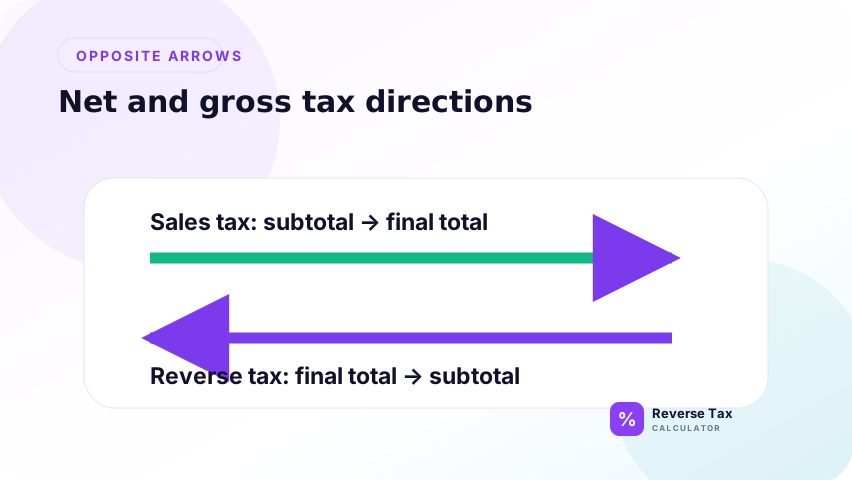
If tax is included, gross price contains both net price and included tax.
| Relationship | Meaning |
|---|---|
| Net price plus tax equals gross price | Forward tax direction |
| Gross price minus included tax equals net price | Reverse tax direction |
| Gross price divided by tax multiplier equals net price | Reverse tax mechanism |
For the formula, use Reverse Tax Formula.
How Do Net and Gross Connect to Reverse Tax?
Net and gross connect to reverse tax because reverse tax usually moves from gross to net. The gross amount is the tax-inclusive total. The net amount is the pre-tax base. The formula divides gross by 1 plus the tax rate to recover net. If the document already shows net and tax separately, reverse tax may be unnecessary.
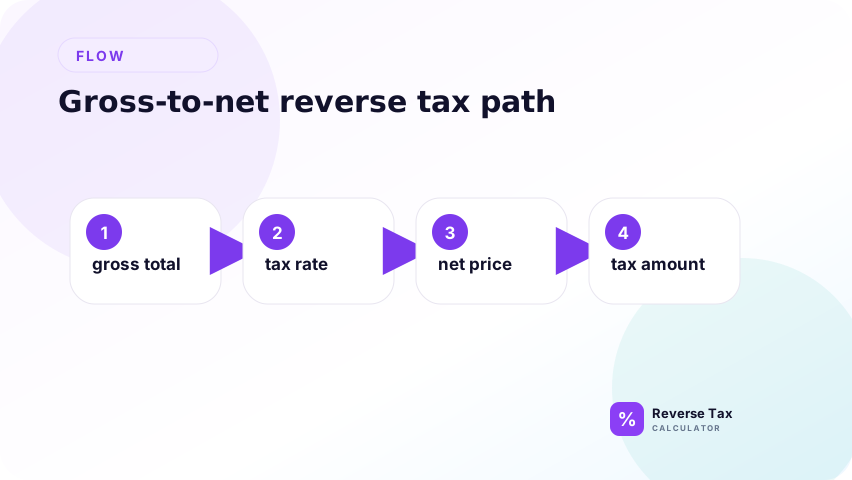
Reverse tax often translates gross price into net price.
The gross price is the starting point when it includes tax. The net price is the result after the included tax is separated. This is why reverse tax tools often show both the amount before tax and the tax included in the gross total.
Gross-to-Net Direction
Gross-to-net direction means you start with a total that includes tax.
You use this direction when a receipt, invoice, or price display already includes the tax. The goal is to recover the amount before tax.
Net-to-Gross Direction
Net-to-gross direction means you start with the amount before tax.
You use this direction when you need to add tax and find the final amount. That is not reverse tax. It is forward tax calculation.
Why Direction Matters
Direction matters because the same two numbers can be used in different ways.
If 100.00 is net and 10 percent tax is added, the gross price is 110.00. If 110.00 is gross and 10 percent tax is included, the net price is 100.00. The tax rate is the same, but the starting point changes.
Why Net and Gross Mean Different Things by Context
Net and gross mean different things because the words describe a relationship, not one universal tax rule. Net can mean before tax, after discounts, after fees, or after payroll deductions. Gross can mean including tax, before deductions, or total before adjustments. A strong reverse tax page should define the context before giving the formula.
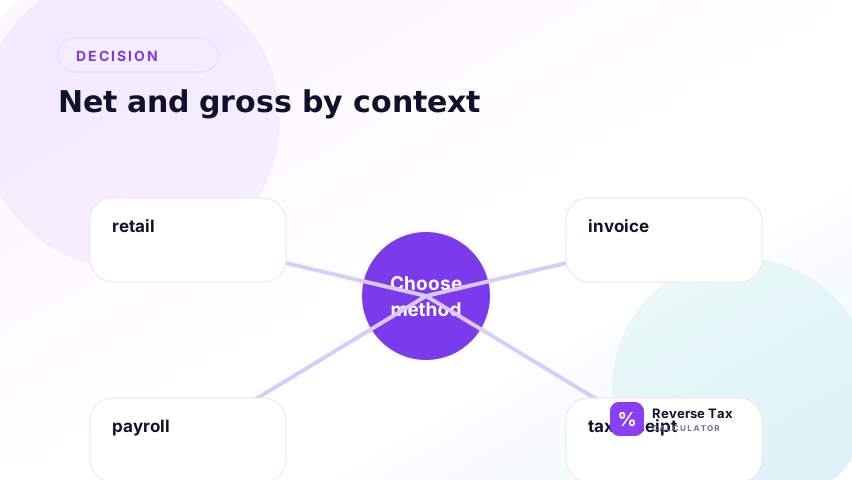
Net and gross are not tax-only words.
They are general measurement words. Gross usually means before deductions. Net usually means after deductions. The question is: which deduction?
Net and Gross in Retail Prices
In retail, gross often refers to the total a customer pays. Net often refers to the price before tax or before certain fees.
Net and Gross in Invoices
In invoices, net can refer to taxable amount, amount after discount, or amount due under payment terms. Gross can refer to total invoice value.
The CRA says customers must be told whether GST/HST is included in the price or added separately. It also says receipts and invoices should show the applicable rate and the amount paid or payable with GST/HST amount as separate lines or a clear statement that the total includes GST/HST.
Net and Gross in Payroll
In payroll, gross pay is earnings before deductions, and net pay is take-home pay after deductions.
That is a different entity from reverse tax on prices. For net-to-gross salary content, use How to Calculate Gross Salary from Net Pay.
Net Price vs Gross Price Decision Matrix
Use this matrix before doing a reverse tax calculation.
| Label or situation | Likely meaning | Reverse tax action |
|---|---|---|
| Gross total including tax | Tax-inclusive total | Reverse to net price |
| Net amount before tax | Tax-exclusive base | Do not reverse, add tax if needed |
| Invoice total includes GST/HST | Gross tax-inclusive amount | Reverse if rate is known |
| Retail shelf price includes tax | Gross consumer price | Reverse if you need tax breakdown |
| Payroll gross pay | Earnings before deductions | Use payroll content, not this page |
| Net revenue | Accounting amount after adjustments | Use business reconciliation content |
Operational Table: How to Read Net and Gross Labels
Use this table when a document uses net and gross wording.
| Document label | Ask this question | Likely action |
|---|---|---|
| Net amount | Net after what? | Check whether tax is excluded |
| Gross amount | Gross including what? | Check whether tax and fees are included |
| Gross total | Does it include tax? | Reverse only if tax is included |
| Net payable | Is this after credits or deductions? | Do not assume it means pre-tax |
| Gross sales | Does this include collected tax? | Separate revenue and tax if needed |
| Net price | Is tax excluded or discount applied? | Confirm before calculating |
Net and gross labels are useful, but they are not enough without knowing what has been included or excluded.
How to Reverse Gross Price to Net Price
To reverse gross price to net price, you need the gross price and the tax rate.
The gross price is divided by the tax multiplier. The result is the net price. The tax amount is the difference between gross and net.
Example with a 10 percent tax:
| Item | Amount |
|---|---|
| Gross price | 110.00 |
| Tax rate | 10 percent |
| Net price | 100.00 |
| Included tax | 10.00 |
For the full mechanism, read How Does Reverse Tax Work?.
Why Official Invoice Rules Support Clear Net and Gross Labels
Official tax guidance often requires clarity because unclear labels create calculation and compliance problems.
The CRA says customers must be told whether GST/HST is included in the price or added separately. It also says receipts and invoices should show the rate and amount, or clearly state that the total includes GST/HST.
This supports a practical rule: never rely on the words net or gross alone when tax is involved. Look for whether the document says tax is included, tax is added, or the tax amount is shown separately.
What a Clear Invoice Helps You Do
A clear invoice helps you:
- Identify the taxable base.
- Identify the tax rate.
- Identify the tax amount.
- Identify the total payable.
- Decide whether reverse tax is needed.
What an Unclear Invoice Can Break
An unclear invoice can lead to the wrong reverse calculation.
If the gross amount includes fees, discounts, or multiple taxes, reversing it with one rate may produce a neat number that is still not the right transaction breakdown.
What Can Make Net and Gross Price Confusing?
Net and gross become confusing when discounts, multiple taxes, fees, surcharges, mixed taxability, or payroll-style deductions are involved. A gross receipt total may include tax and fees. A net invoice amount may be before VAT but after discount. The solution is to label each component before deciding which value belongs in the reverse tax formula.
Net and gross become confusing when the document does not state what is included.
Discounts
A net amount may mean after discount but before tax. Or it may mean after both discount and tax separation.
Multiple Taxes
Gross price may include more than one tax. If taxes are stacked or applied in sequence, reversing the gross price may need more than one rate.
Fees and Surcharges
Gross price may include fees or surcharges as well as tax.
The ACCC says businesses in Australia must display a total price that includes taxes, duties, and unavoidable or pre-selected extra fees. That is a useful reminder that a gross consumer price may include more than tax alone.
Mixed Taxability
If a gross total includes taxable and exempt items, one simple reverse calculation may not produce a reliable net price for every item.
Net vs Gross in Business and Consumer Pricing
Consumers often care about the final gross amount they pay, while businesses often need the net amount for revenue, VAT, GST, or sales tax records. That difference explains why the same price can be described differently by a receipt, invoice, marketplace report, and accounting ledger. Reverse tax bridges those views by separating included tax from gross price.
Net and gross can serve different audiences.
Consumer-facing prices often focus on the amount the buyer pays. Business-facing invoices often separate taxable amount, tax, and total because the buyer may need records for accounting or tax claims.
Consumer Pricing
Consumer pricing should make the payable amount clear.
The ACCC says businesses in Australia must display the total price including taxes, duties, and unavoidable or pre-selected fees. This is a strong example of why gross consumer price can include more than the product base price.
Business Pricing
Business pricing may show net and gross separately so both sides can record tax correctly.
A supplier may show a net taxable amount, a tax line, and a gross total. A buyer may need all three to check the invoice and reconcile accounts.
What This Page Does Not Cover
This page explains net and gross price in reverse tax context.
| Topic | Better page |
|---|---|
| Pre-tax and post-tax wording | Pre-Tax Price vs Post-Tax Price |
| Tax-inclusive and tax-exclusive pricing | Tax-Inclusive vs Tax-Exclusive Pricing |
| Gross salary from net pay | How to Calculate Gross Salary from Net Pay |
| Revenue and tax separation | How to Separate Revenue from Collected Tax |
| Exact reverse tax formula | Reverse Tax Formula |
Frequently Asked Questions
Is net price before tax?
In reverse tax, net price usually means price before tax. In other contexts, net can mean after discounts, deductions, or other adjustments.
Is gross price after tax?
In tax-inclusive pricing, gross price usually means after tax. But gross can mean different things in invoices, payroll, and accounting.
Is gross price the same as tax-inclusive price?
Often, yes, when the gross price includes tax. Always check the document label.
How do I find net price from gross price?
Use reverse tax when the gross price includes tax and the tax rate is known. Divide by the tax multiplier to estimate the net price.
Why do invoices show both net and gross?
Invoices may show both so the buyer can see the taxable base, the tax charged, and the total payable.
Sources
These sources support invoice and pricing context, while the formulas on this page come from the arithmetic relationship between net price, tax rate, tax amount, and gross price. Use official tax authority guidance for legal invoice labels, taxability, registration, and filing. Use this page to interpret net and gross labels before calculating.
- Canada Revenue Agency, Charge and collect the GST/HST
- Australian Competition and Consumer Commission, Price displays